You Want to Start Watercolor—But Where Do You Begin?
Maybe you saw a soft watercolor sunset online.
Maybe you’ve been meaning to try something creative again.
Or maybe you just want a quiet break from screens.
So you search for watercolor for beginners… and suddenly, it feels complicated.
Different types of paper. Brushes. Paints. Palettes.
Some people say you need a full setup. Others say you don’t.

Here’s the truth:
You don’t need more options—you need a simple starting point.
If you can remove the friction, you’re far more likely to actually begin.
A compact setup like a travel watercolor sketchbook keeps everything in one place, so you can start painting in minutes instead of overthinking your tools.
What You Actually Need to Start (No More, No Less)
Let’s simplify this.
To begin watercolor painting, you only need:
· Watercolor paper
· Paint
· A brush
· Water
That’s it.
Everything else is optional.
The problem is that many beginners don’t start because these tools are scattered. You might have paper somewhere, brushes in another drawer, and no idea how to put it all together.
This is where a portable watercolor set becomes useful.
Instead of building your setup piece by piece, you start with a system that’s already designed to work together.
Do You Really Need Special Watercolor Paper?
Short answer: yes—and it makes a bigger difference than you think.
Regular paper (like notebook or printer paper) is made from wood pulp. When you add water, it wrinkles, pills, and sometimes tears.
That’s not your fault. It’s the paper.
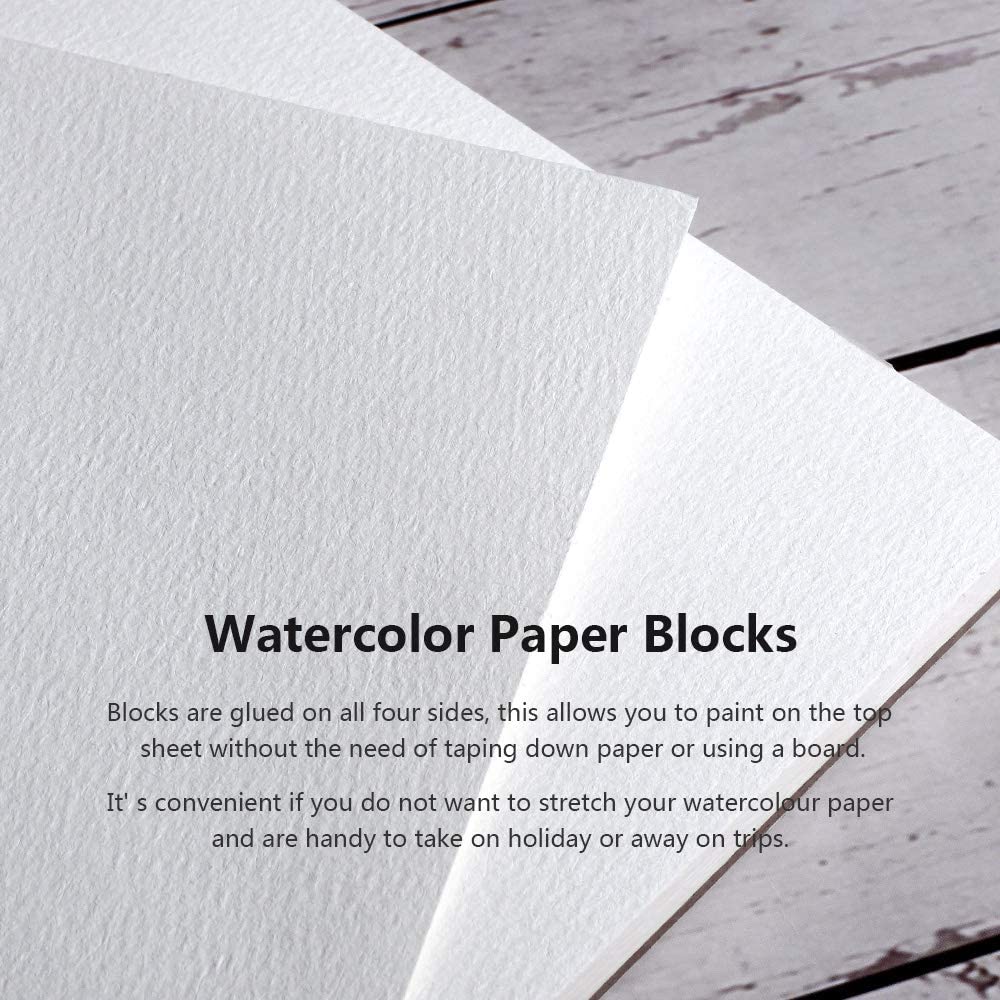
Watercolor paper is designed to handle moisture. The best beginner-friendly option is 100% cotton paper.
Here’s why:
· Cotton fibers absorb water evenly
· The surface stays flatter
· Colors remain vibrant instead of dull
· You can layer paint without damaging the paper
Most beginner frustration comes from using the wrong surface.
A travel watercolor sketchbook made with 300gsm (140lb) cotton paper gives you a much smoother learning experience right from the start.
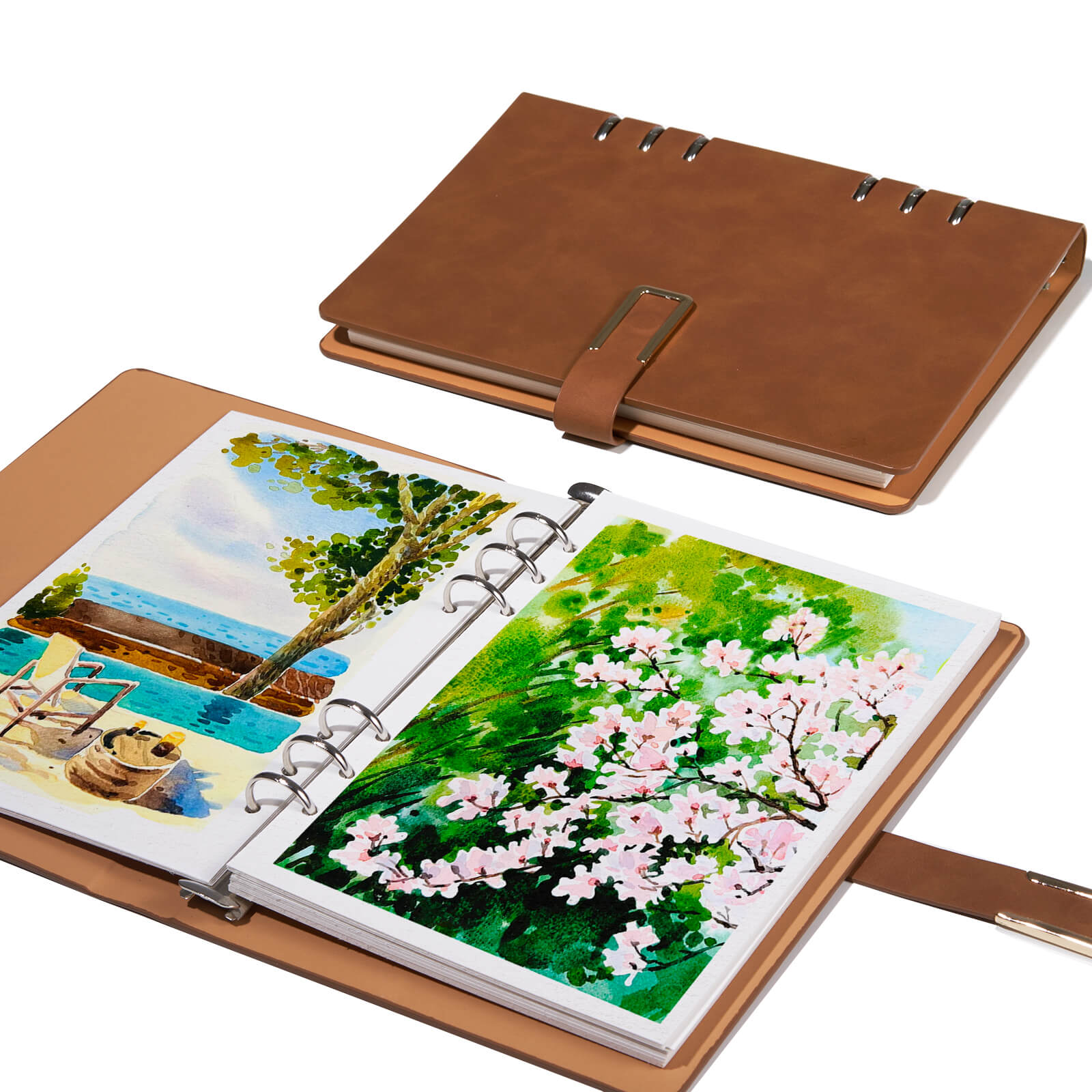
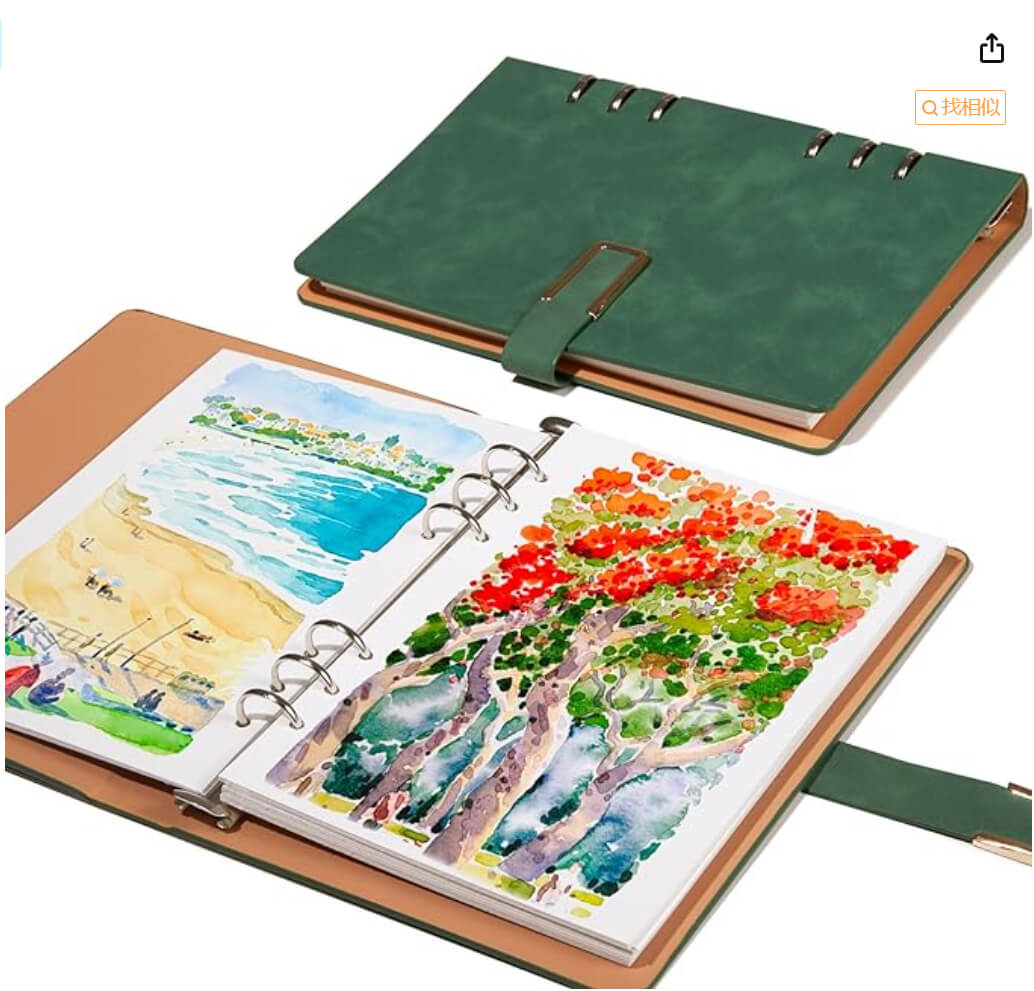
 The Minimalist Choice: Lightwish Travel Watercolor Sketchbook Set
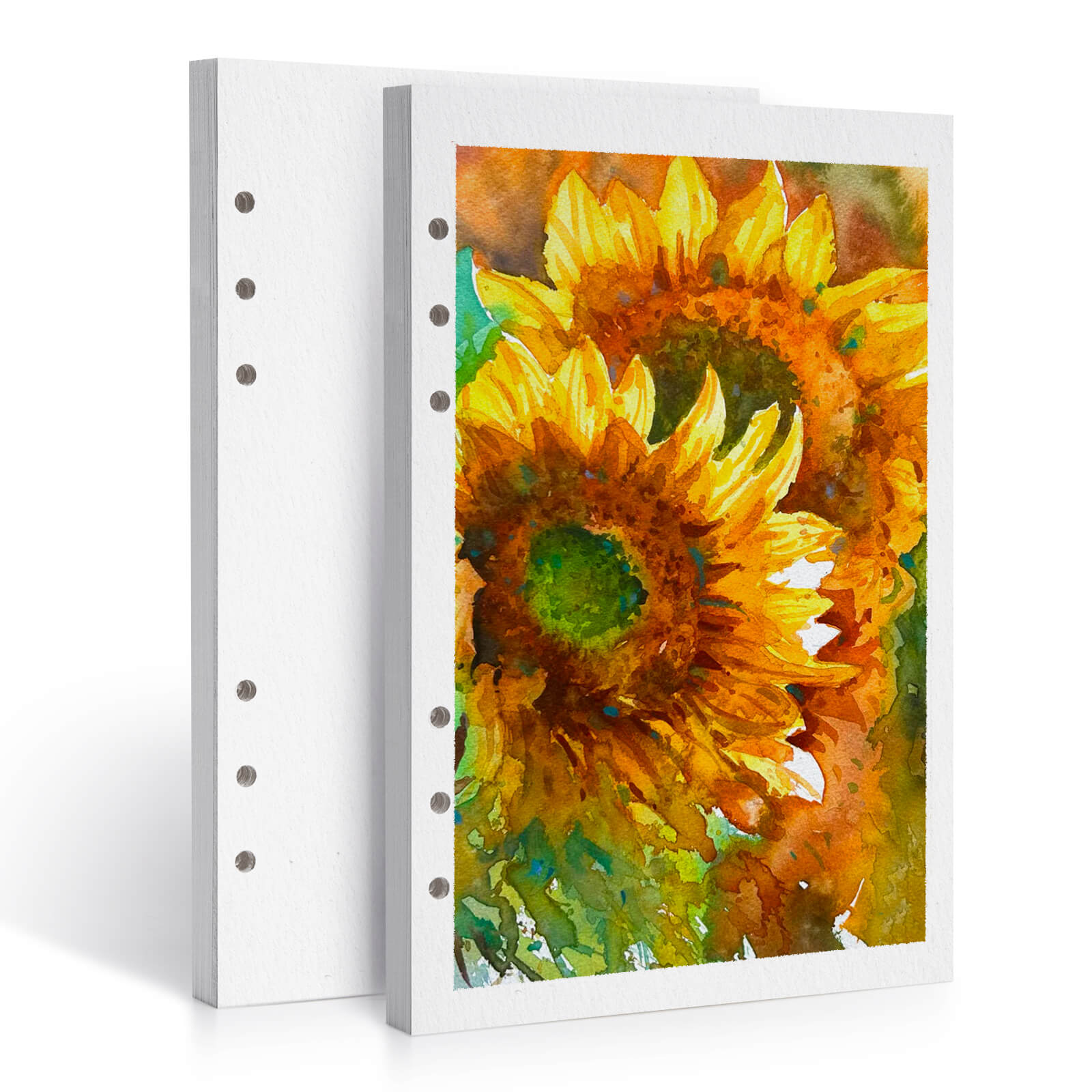
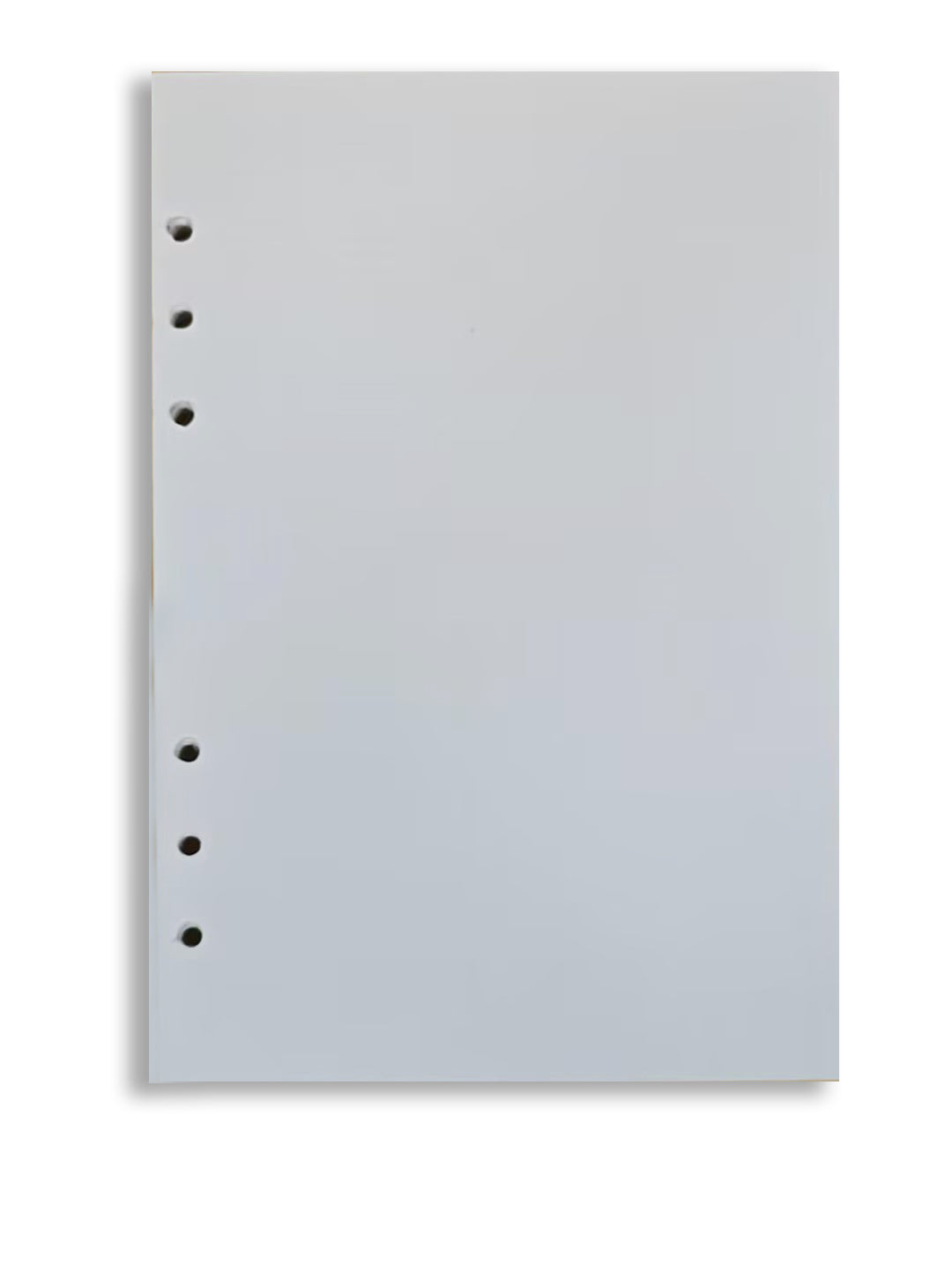
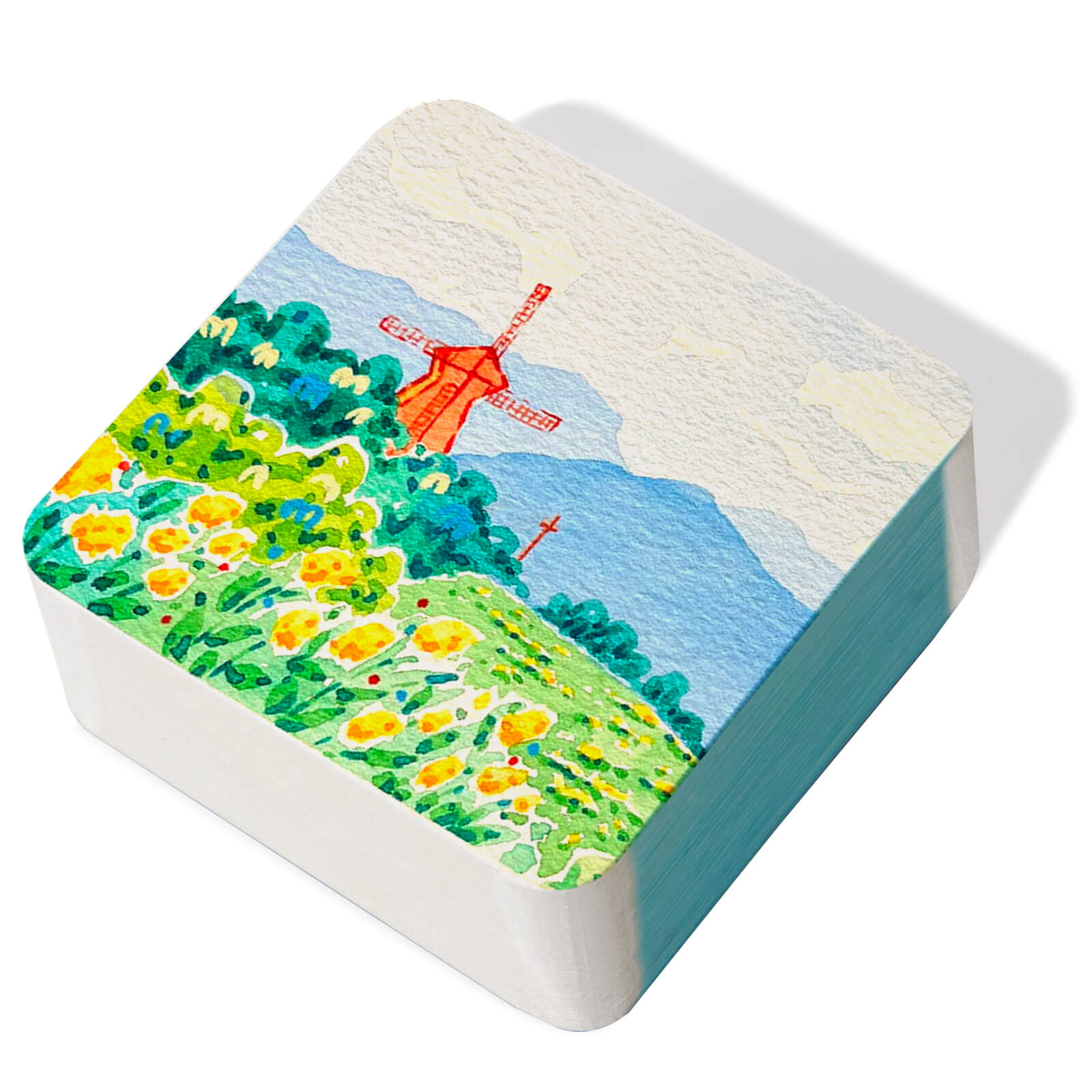
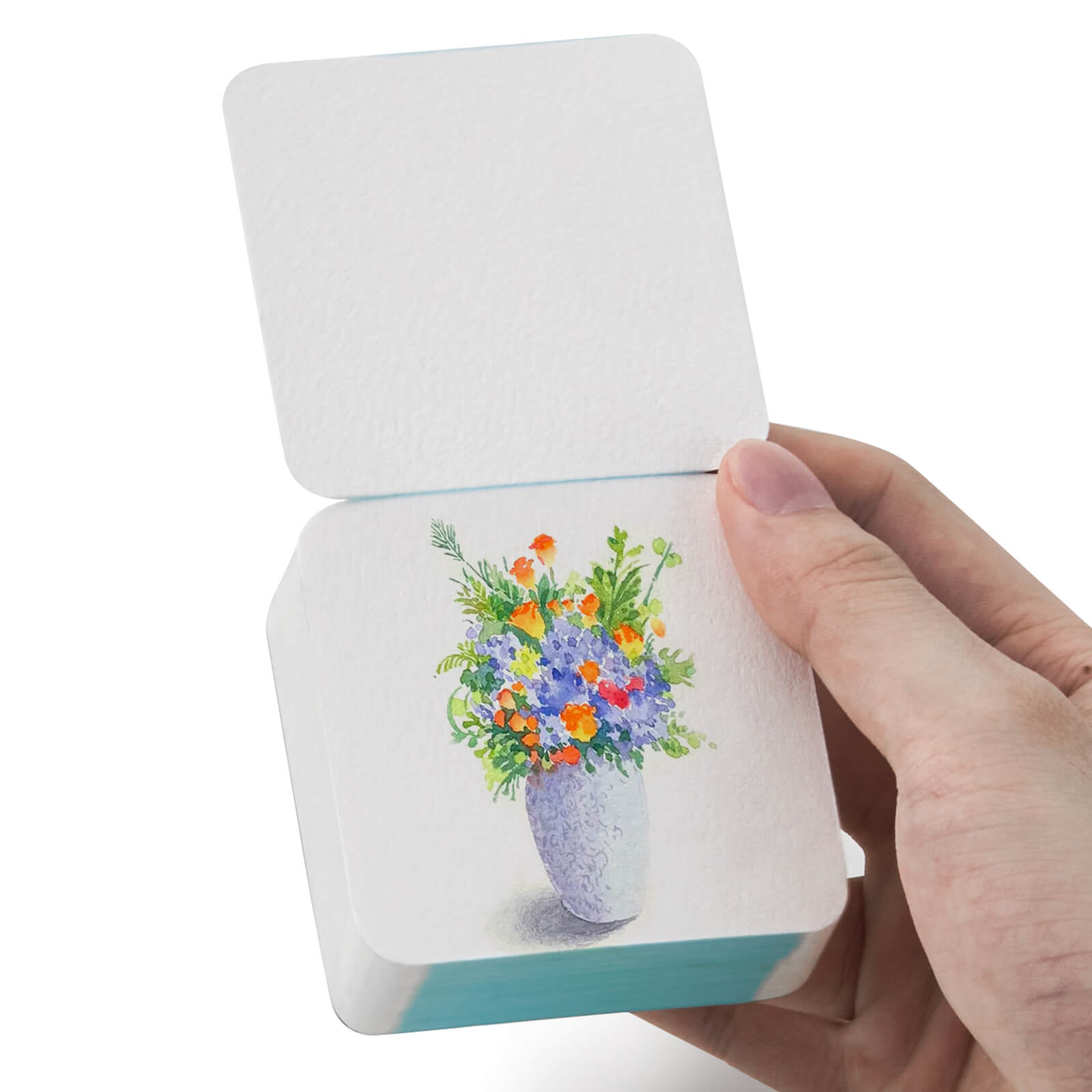
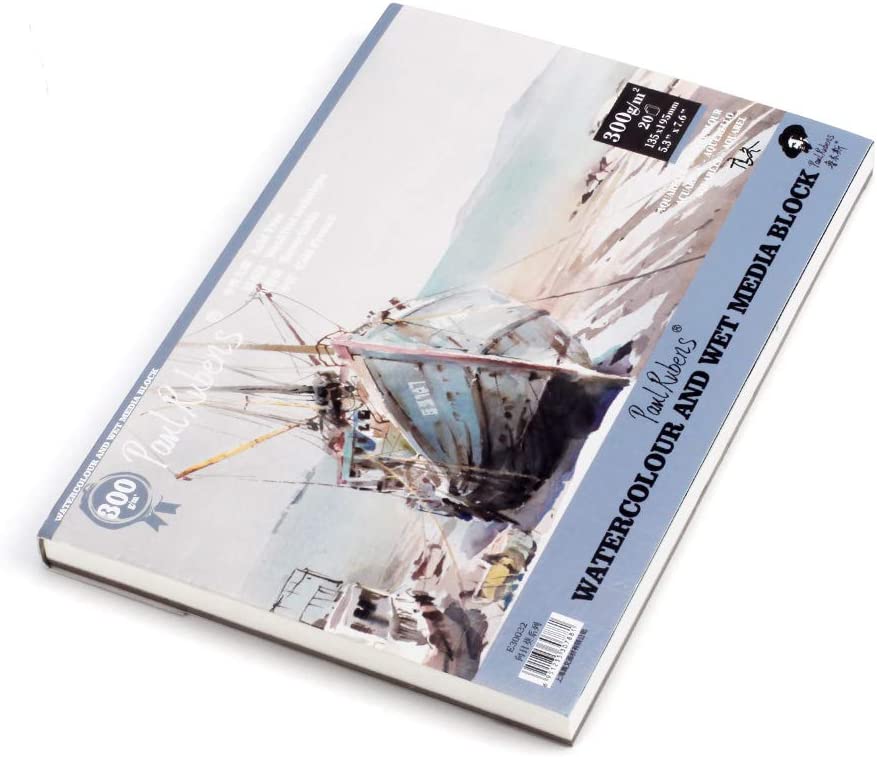
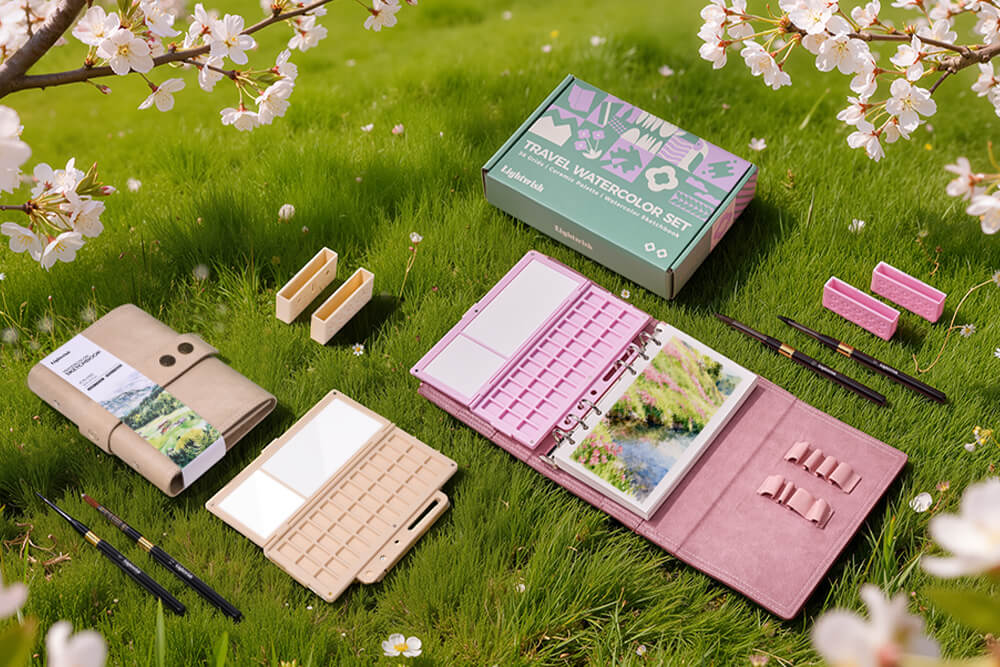
If you already have your favorite paints and just need the perfect surface, this is for you. It contains 20 sheets of 300gsm (140lb) 100% cotton cold press paper—a professional-grade material, all packed into a convenient, travel-friendly size.

Why Your Palette Matters More Than You Expect
Many beginners focus on paint and brushes—but overlook the palette.
That’s a mistake.
Most entry-level kits use plastic palettes. They’re lightweight, but they stain easily. Over time, old pigments affect your color mixing, and everything starts to look muddy.
A better option is a ceramic palette.
· It doesn’t stain
· Colors stay accurate
· Cleaning takes seconds
When your tools behave predictably, learning becomes easier.
And when learning feels easier, you’re more likely to keep going.

How to Start Painting in 5 Minutes (Step-by-Step)
Let’s remove the last barrier: actually starting.
Here’s a simple process you can follow right now.
Step 1: Set Up Your Materials
Open your sketchbook and have your brush, paint, and water ready.
Step 2: Add a Small Amount of Paint
You don’t need much. A pea-sized amount is enough.
Step 3: Wet Your Brush
Dip it in water—just enough to activate the paint.
Step 4: Mix and Test
Try mixing a color on your palette before touching the paper.

Step 5: Paint Something Simple
A circle. A leaf. A color gradient. It doesn’t matter.
You’re not aiming for perfection. You’re building familiarity.

3 Easy Watercolor Techniques for Beginners
You don’t need advanced skills to get started. Try these simple techniques:
Technique 1: Wet-on-Wet
· Wet the paper first
· Drop in color
· Watch it spread naturally
This technique is great for skies, backgrounds, and soft effects.

Technique 2: Dry Brush
· Use minimal water
· Drag the brush lightly across the surface
You’ll see texture appear instantly—perfect for grass, wood, or rough details.

Technique 3: Layering
· Paint a light base layer
· Let it dry completely
· Add another layer on top
With proper watercolor paper, colors stay clear instead of blending into mud.
 Want to go deeper?
Check our full guide to watercolor techniques for beginners.
Common Mistakes Beginners Make
Most beginners don’t quit because watercolor is hard.
They quit because something feels off—and they don’t know why.
Here are a few common issues:
Using the Wrong Paper
This is the #1 problem. If the paper fights you, everything feels harder.
Using Too Much Paint
More paint doesn’t mean better results. Start small.
Not Letting Layers Dry
Watercolor requires patience. Wet layers mix unintentionally.
Overthinking the First Painting
Your first piece doesn’t need to be good. It just needs to exist.
A Simple Setup That Actually Works
If your goal is to start without overcomplicating things, using an all-in-one system helps.
A well-designed travel watercolor sketchbook setup usually includes:
· 100% cotton watercolor paper
· A built-in palette
· Travel brushes
· A compact format you can carry anywhere
This kind of setup removes the need to assemble tools manually.
Instead of preparing, you start.
The All-in-One Solution: Lightwish Travel Watercolor Set
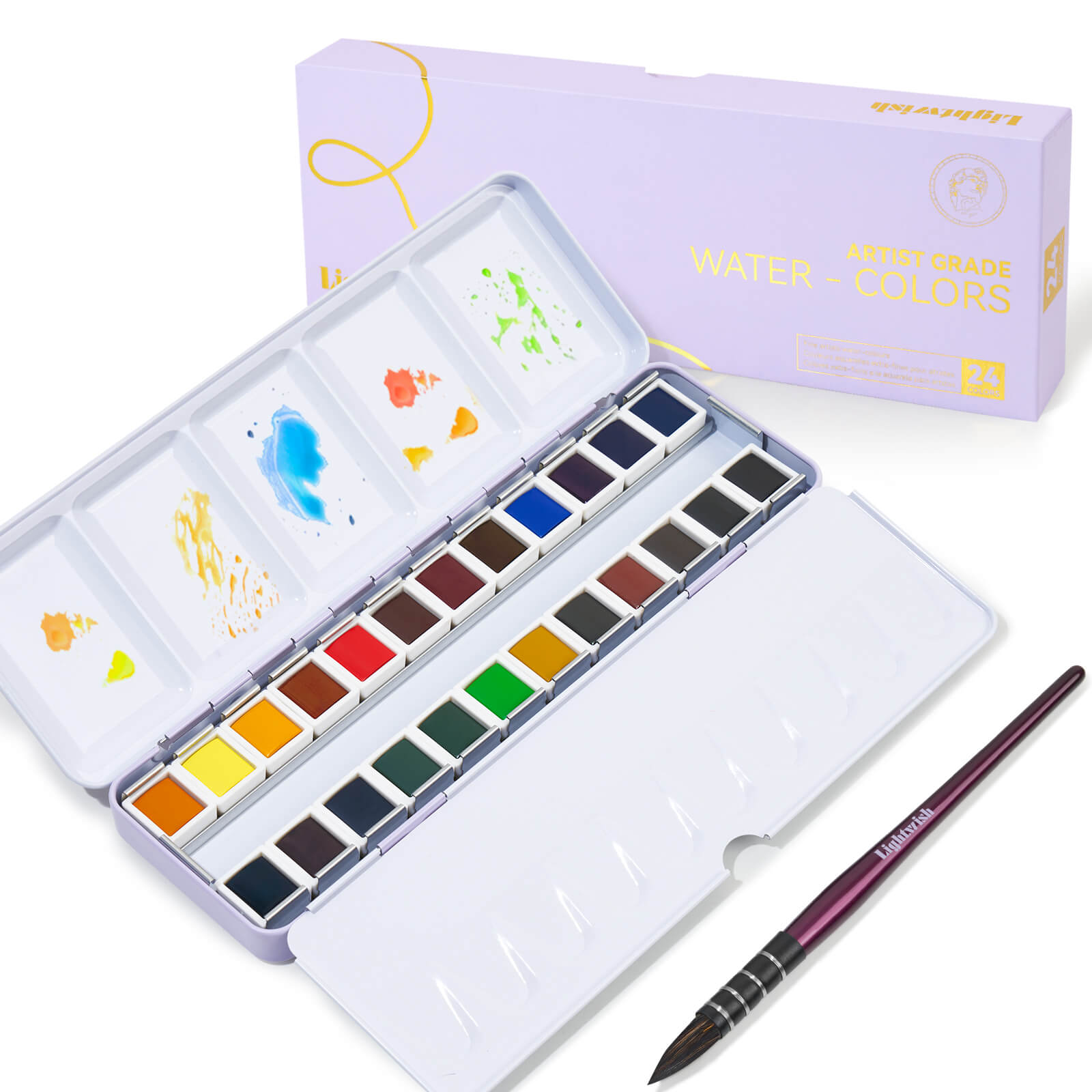
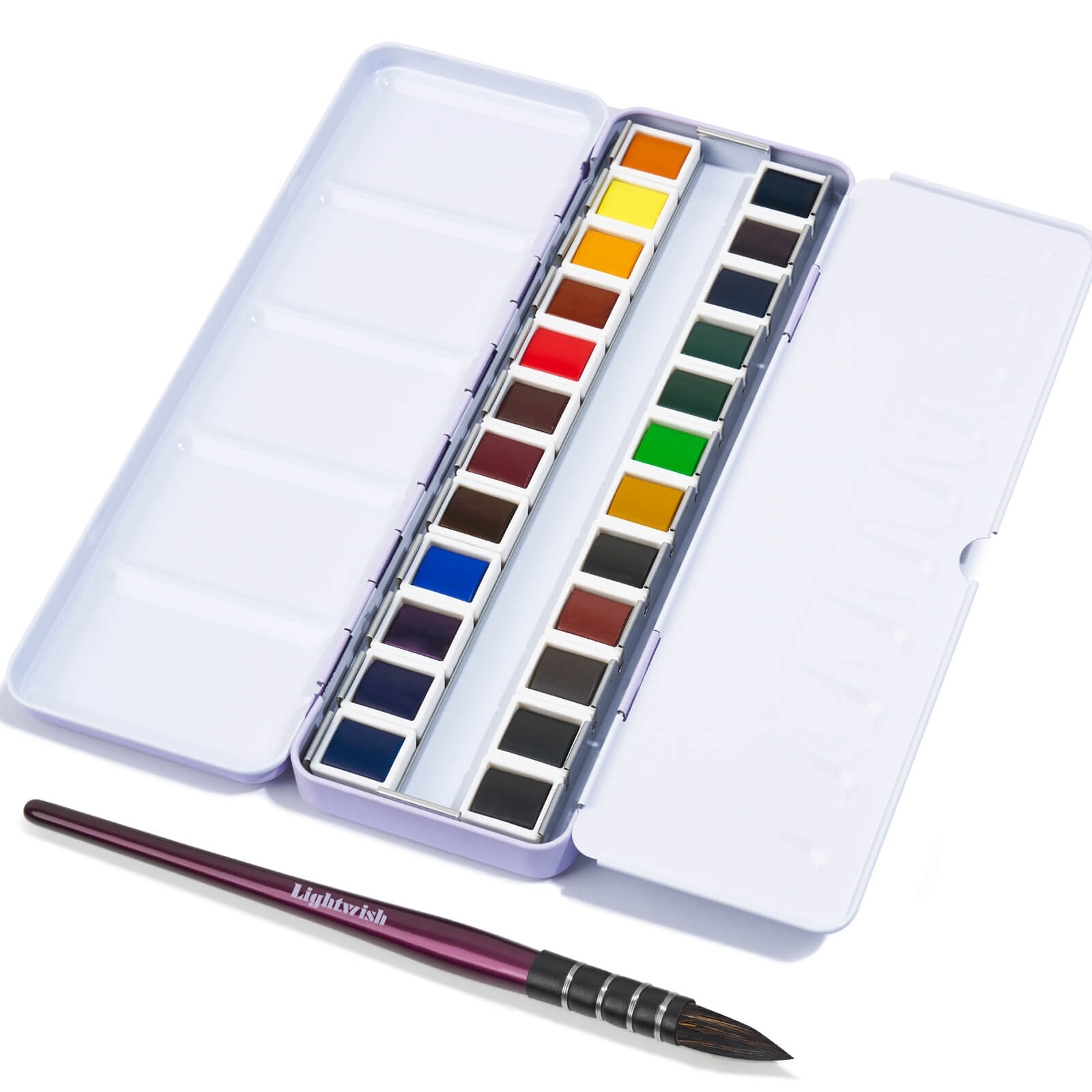
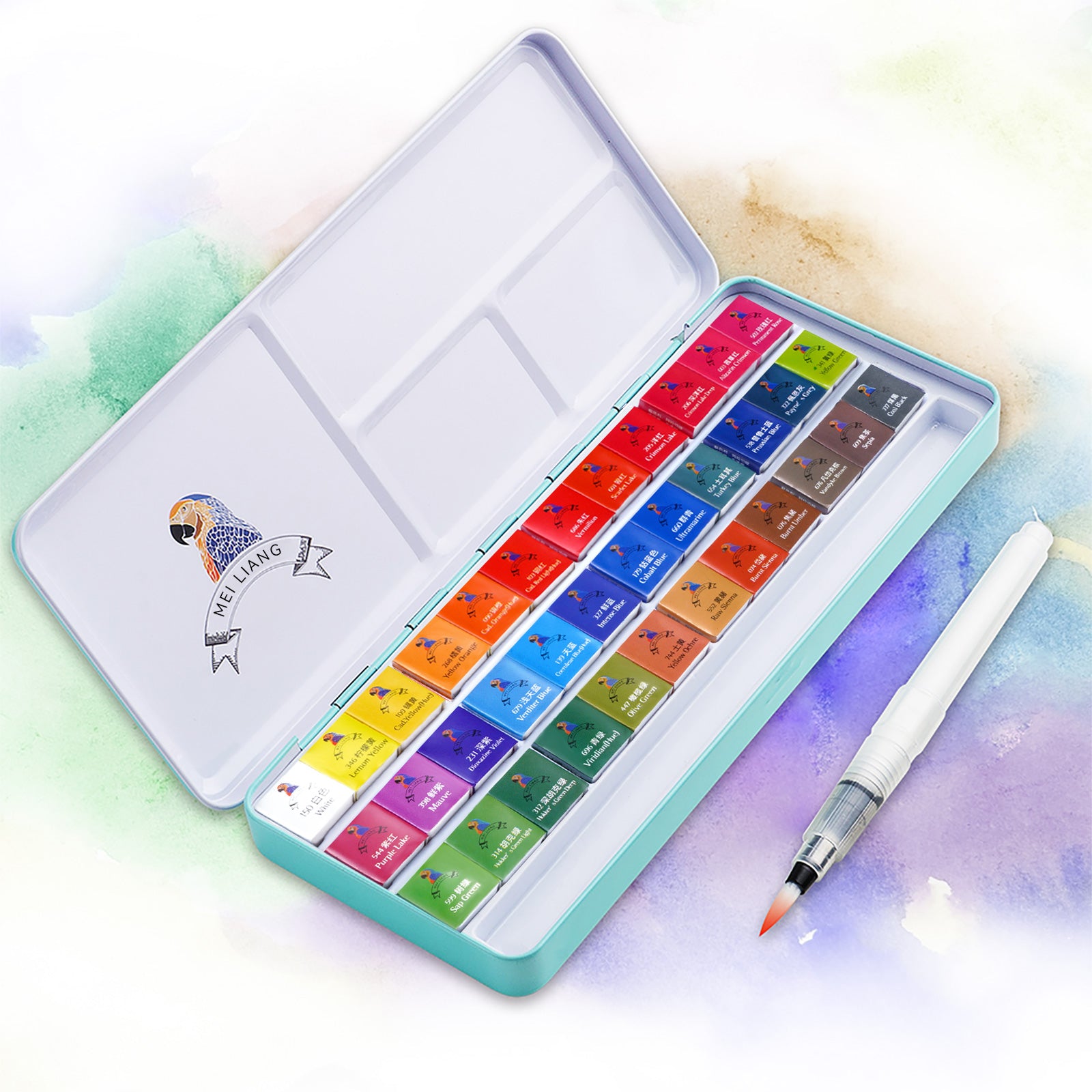
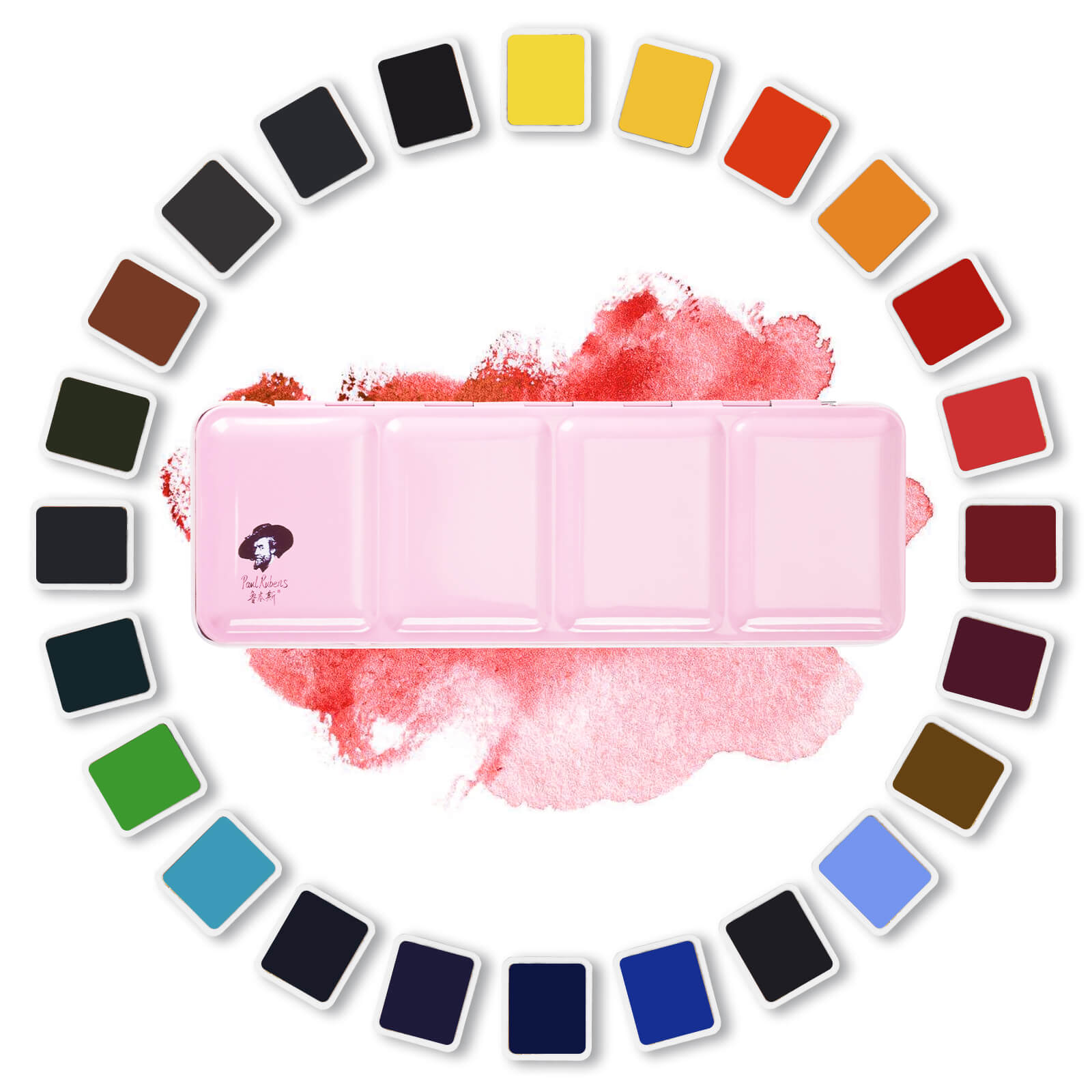
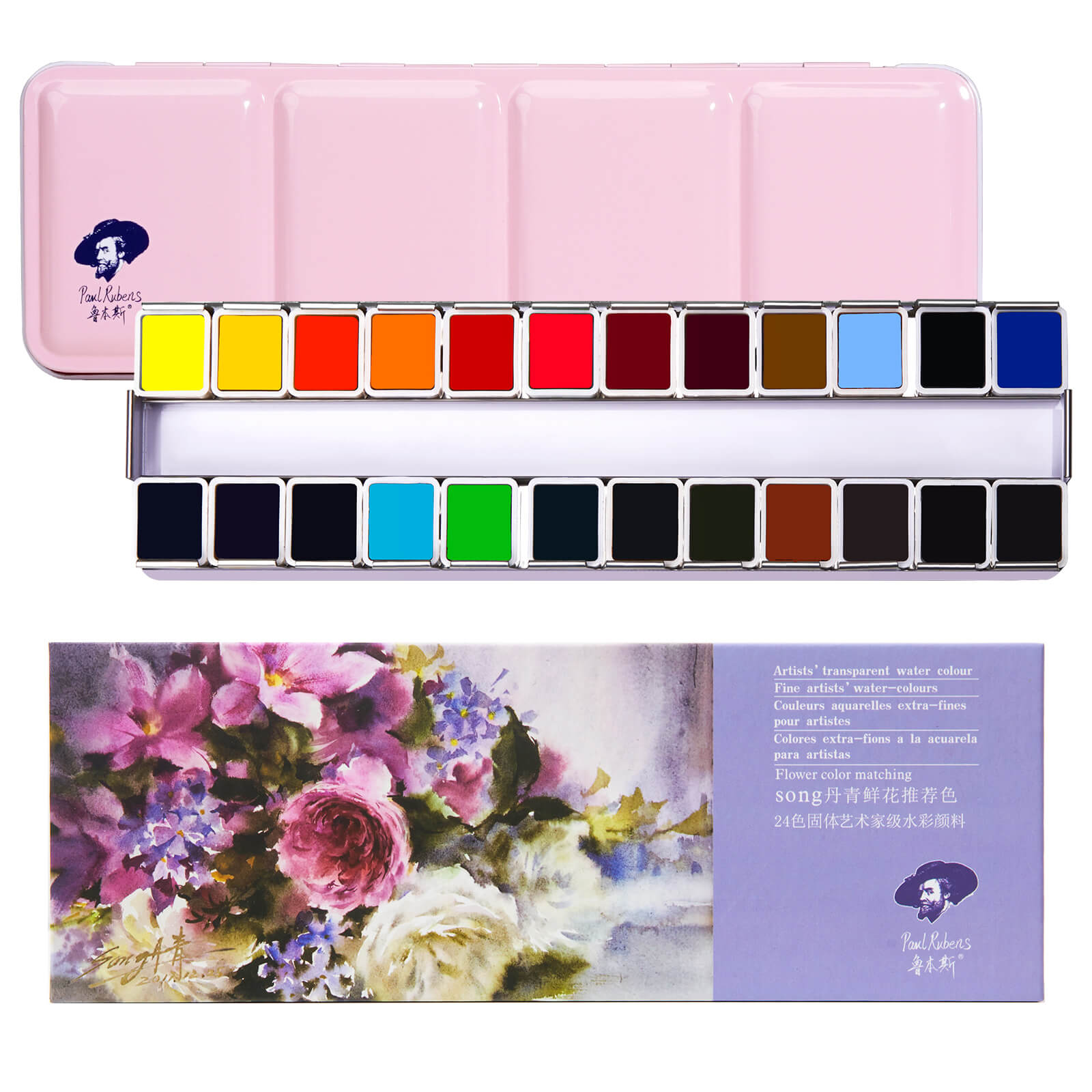
Perfect for those who like to keep things simple and efficient, this complete kit offers everything you need: a 24colour ceramic palette, a collapsible cup, a handy carrying bag, and high-quality 100% cotton paper. It's a great way to streamline your creative process and enjoy painting on the go.

What This Setup Is (and Isn’t) Good For
Let’s keep this honest.
It’s great for:
· Beginners
· Casual painting
· Travel or outdoor sketching
· Building a daily habit
It may not be ideal if:
· You need large-format painting
· You prefer studio setups
· You already own professional tools
Choosing the right setup depends on how you actually plan to paint.
The Bottom Line
Starting watercolor doesn’t have to be complicated.
You don’t need dozens of supplies.
You don’t need perfect technique.
You don’t need experience.
You just need a way to begin.
A simple, portable setup lowers the barrier.
Good materials reduce frustration.
And small, consistent practice builds confidence.
That’s how progress happens.
Ready to Start?
Your first painting doesn’t need to be impressive.
It just needs to happen.
Start small. Stay consistent. Keep it simple.
Explore the LIGHTWISH travel watercolor sketchbook and start painting today
P.S.
When your tools arrive, don’t wait for the perfect idea.
Paint something small.
A shadow. A cup. A color.
That’s how every artist starts.